
Open with a compelling look at the aerobic demands of Nordic skiing—how it rivals rowing and cycling in cardiovascular intensity and why efficient tracking is non-negotiable for serious skiers.
-
Explain why every gram of gear matters on a long-distance trail and how even small weight savings can compound into measurable performance gains.
-
Highlight the challenge of monitoring performance in winter conditions—cold fingers, limited daylight, and bulky layers all complicate standard tracking approaches.
-
Outline what readers will learn: how to trim gear weight for better glide, manage winter daylight, and use minimalist tools like digital clip watches for precise pace timing.
-
Naturally integrate cross-country skiing gear essentials and minimalist gear for cross-country skiing early in the introduction.
Section 1: Shaving Weight for Better Glide Times
-
Discuss the physics of glide efficiency—how pole weight, boot stiffness, and wrist-worn accessories all affect your stride and endurance output over long distances.
-
Break down the key categories of weight-saving accessories for ski touring: poles, bindings, layering systems, and wearable tracking tools.
-
Introduce the concept of a Nordic skiing performance gear checklist—a practical framework readers can use to audit their current setup.
-
Highlight the trade-off between durability and weight, and why durable lightweight watches for cold weather are a smarter alternative to heavier GPS units.
-
Include a comparison table of common tracking accessories by weight and cold-weather performance.
-
Reference real-world examples from competitive Nordic skiers or ski tourers who have optimized their kit for endurance racing.
Section 2: Monitoring Daylight Hours in Winter
-
Explain why monitoring daylight hours in winter skiing is a critical safety and performance consideration—especially for backcountry and multi-stage routes.
-
Discuss how shortened daylight windows in winter affect pacing strategy, turnaround planning, and caloric intake timing.
-
Introduce winter daylight tracking for backcountry skiing as a discipline-specific skill, not just a convenience feature.
-
Cover practical tools and methods for tracking sunrise/sunset times in the field without relying on a phone, including dedicated watches and clip-based timekeeping tools.
-
Offer a seasonal tip box: how to build a daylight-aware route plan for a full Nordic ski day.
-
Include a short case study or anecdote about a ski tourer who misjudged daylight and how better tracking tools could have made a difference.
Section 3: Using Digital Clip Watches for Pace Timing
-
Introduce the digital clip watch as the unsung hero of endurance skiing gear—lightweight, glove-compatible, and purpose-built for cold-weather use.
-
Explain what makes a clip watch for ski jacket or harness superior to wrist-worn devices in subzero conditions: no fumbling with gloves, easy readability, and consistent access without skin exposure.
-
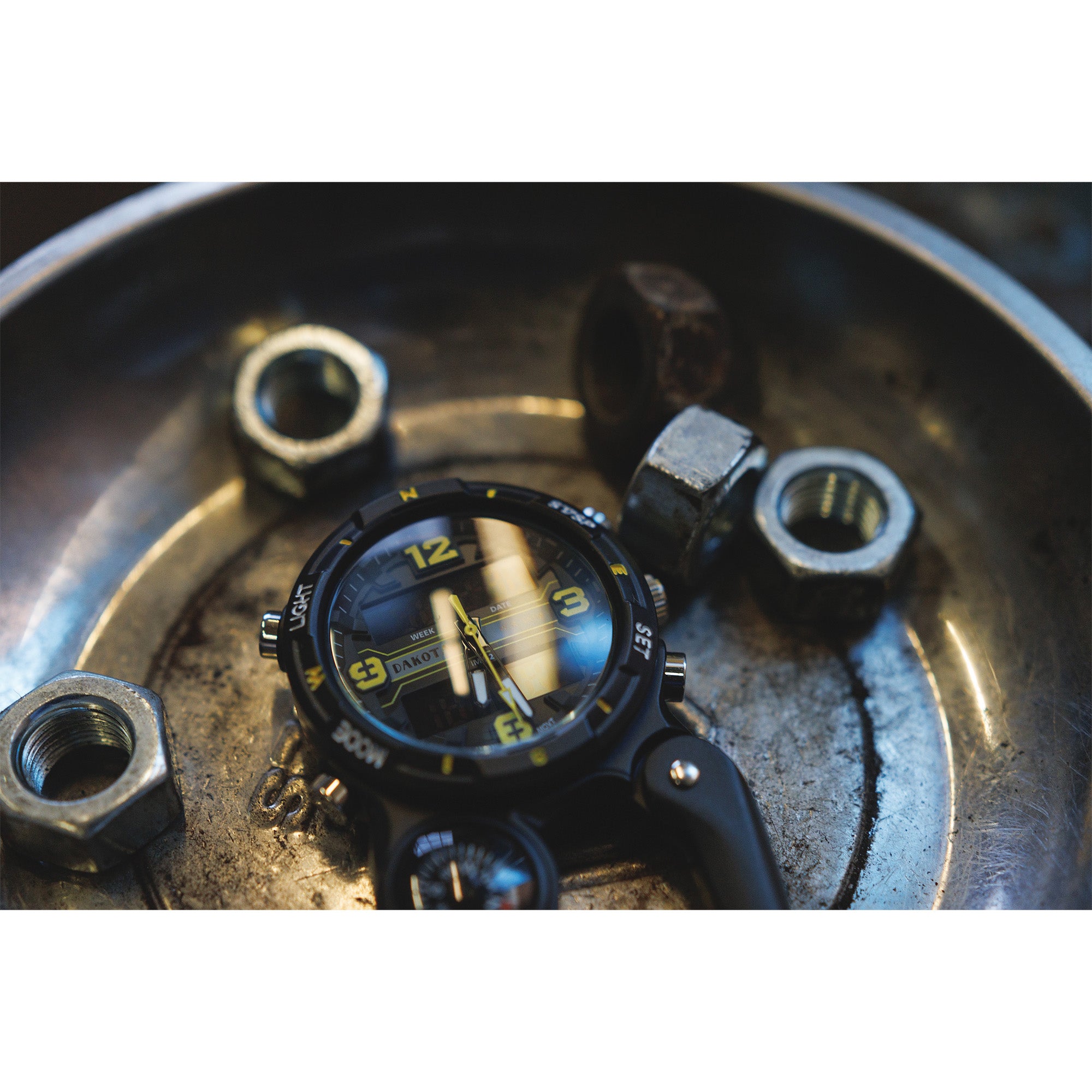
Highlight the Dakota watch and similar models as strong examples of best timekeeping gear for endurance skiing, covering features like large displays, water resistance, and extended battery life.
-
Discuss how pace timing tools for Nordic skiers integrate into interval training and long-distance pacing strategies.
-
Provide a brief how-to on attaching and reading a clip watch efficiently during active skiing without breaking stride.
-
Compare clip watches to wrist-worn GPS units across dimensions like weight, cold-weather reliability, and ease of use—positioning clip watches as the minimalist choice.
-
Integrate a glove-compatible watch for cross-country skiing and the best watch for winter outdoor sports naturally throughout this section.
Conclusion: Push Your Endurance Limits with Minimalist Tools
-
Recap the core argument: elite Nordic performance doesn't require heavy, complicated tech—it requires the right lightweight tools used with intention.
-
Summarize the three pillars covered: weight reduction for better glide, daylight awareness for safer and smarter route planning, and digital clip watches for reliable pace tracking.
-
Offer actionable next steps: audit your current gear against the Nordic performance checklist, trial a clip watch on your next outing, and build a daylight-based route plan for your region.
-
Link to further resources: recommended gear reviews, Nordic skiing training plans, and winter backcountry safety guides.
-
Close with a motivational nudge—endurance improvements don't always come from training harder, but from gearing smarter.