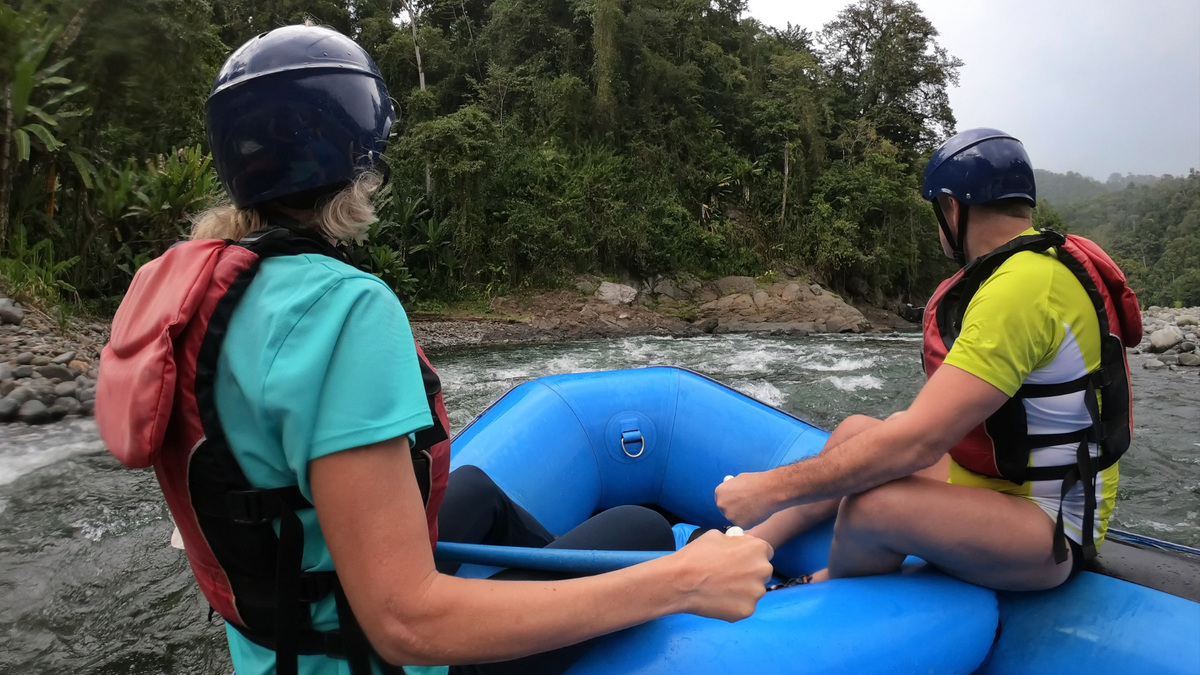

Open with a vivid scene: navigating a bustling city on foot with just a backpack—no phone signal, no landmarks you recognize, and a train to catch. Time is the one thing you can't afford to lose.
-
Establish the broader context: overlanding the Americas is a feat of endurance, planning, and adaptability. From border crossings to remote mountain passes, every minute counts.
-
Introduce the central argument: a reliable, purpose-built dashboard watch is one of the most underrated overlanding gear essentials for long trips—and this post makes the case for why it deserves a spot in every 4x4.
-
Briefly outline what the post will cover: securing gear and staying safe on foot, managing complex travel schedules, and choosing the best dashboard watch for overlanding across multiple time zones.
Body Sections
Section 1: On Foot in Foreign Cities — Keeping Your Gear (and Your Time) Secure
-
Paint the scenario: you've parked the rig, and you're navigating a city on foot. Backpack on, phone tucked away, and you need to be back at the vehicle by a specific time.
-
Discuss the value of a wrist- or clip-mounted watch in environments where pulling out a phone invites theft. Reference pickpocket hotspots across Latin and North American cities.
-
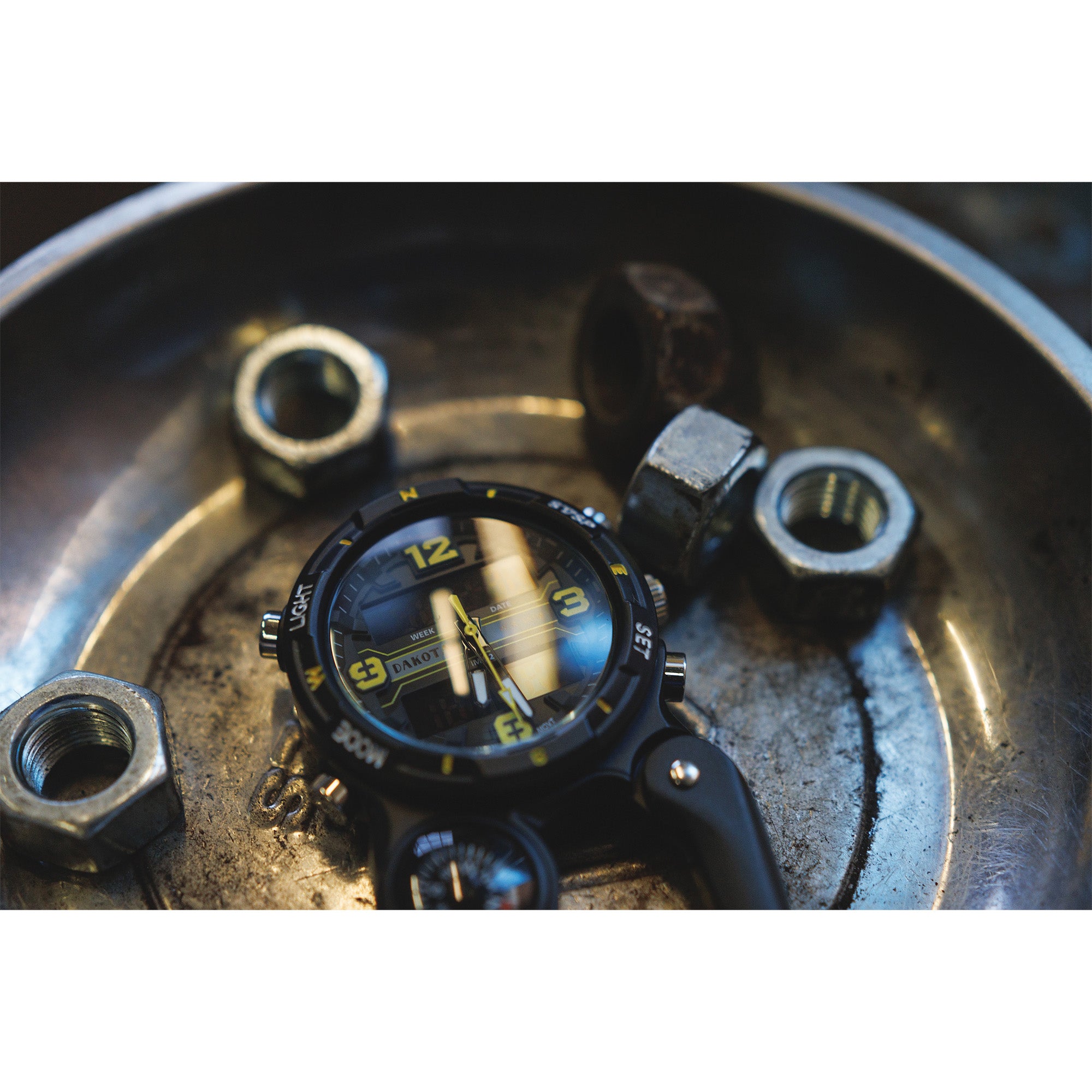
Introduce the concept of secure bag clips and clip watches — specifically clip watches for rearview mirrors or grab handles that stay on the vehicle while you explore on foot, giving you a consistent time reference when you return.
-
Practical tip: pairing a grab handle clip watch for 4x4 vehicles with a lightweight wrist alternative for city walking creates a seamless timekeeping system across both environments.
-
Include a callout box: "Pro tip: A clip watch mounted to your grab handle means you always have a time reference the moment you climb back in — no unlocking your phone, no fumbling at the dash."
Section 2: Tracking Trains, Ferries, and Flights Without Losing Your Mind
-
Discuss the reality of multi-modal travel during an Americas overland expedition: ferry crossings in Patagonia, border town bus schedules, and connecting flights for gear shipments.
-
Highlight how a dedicated vehicle dashboard timekeeping accessory removes reliance on phone battery or signal — both of which are unreliable in remote regions.
-
Explore the benefits of anti-vibration gear for off-road driving, specifically how a well-constructed dashboard or clip-mounted watch maintains accurate timekeeping even on rough terrain.
-
Reference the challenge of coordinating schedules across multiple countries and time zones, and why physical timepieces outperform phone clocks in these environments.
-
Suggest integrating a durable watch for off-road conditions as part of a broader overlanding accessory essentials checklist, alongside a satellite communicator and paper maps.
-
Include a checklist sidebar: "Essential overlanding gear for long trips: satellite phone, physical maps, paper visa documentation, and a reliable dashboard watch."
Section 3: Ana-Digi Dials — The Overlander's Answer to Dual Time Zones
-
Introduce ana-digi (analog-digital) watch faces and explain their function: one dial tracks home time, the other tracks local time — critical for coordinating with support teams, family, or logistics partners across continents.
-
Discuss why the best analog watch for road trips across continents isn't purely analog — a hybrid display offers the glanceability of analog hands with the precision of a digital readout.
-
Explore high-contrast dial watches for night driving — an often-overlooked feature. When you're pushing through a remote stretch after dark, a luminous, high-contrast dial is a safety asset, not just a style choice.
-
Tie this back to night driving visibility gear for overlanding more broadly — how dashboard lighting, instrument visibility, and timekeeping all contribute to driver awareness.
-
Suggest specific features to look for when selecting an off-road expedition watch for drivers: shock resistance, luminous hands, a rotating bezel for elapsed time tracking, and a secure mounting system.
-
Include a comparison table: Ana-Digi vs. Pure Analog vs. Digital — what works best for overlanding.
Section 4: What to Look for in the Best Dashboard Watch for Overlanding
-
Break down the key features that make a watch suitable for the demands of overland American driving gear:
-
Durability: shock-resistant casing, water resistance for river crossings and rain
-
Legibility: high-contrast dial for night driving, large numerals
-
Mounting options: clip watch for rearview mirror or grab handle compatibility
-
Time zone functionality: dual time zone display for cross-continental travel
-
Anti-vibration mechanism: critical for off-road routes across unpaved terrain
-
Discuss off-road vehicle gear organization tips, including where to mount a dashboard watch for optimal visibility without obstructing sightlines.
-
Reference the broader category of watch for overlanding expeditions — what separates a purpose-built option from a standard wristwatch repurposed for the dash.
-
Include a buyer's checklist with key specs to evaluate before purchasing.
Conclusion: Travel Globally, Keep Time Locally
-
Recap the journey: from navigating foreign cities on foot to crossing borders and managing dual time zones, reliable timekeeping is a thread that runs through every stage of an overland expedition.
-
Reinforce the central message: the right watch for overlanding isn't an afterthought — it's as essential as your recovery gear or your navigation system.
Offer actionable next steps:
-
Audit your current overlanding accessory essentials checklist and identify any timekeeping gaps.
-
Research ana-digi options that offer dual time zone displays and high-contrast dials.
-
Consider your mounting setup — whether a grab handle clip watch, rearview mirror clip, or dash mount best suits your vehicle configuration.
-
Close with an invitation to share their setup: "What's on your dashboard? Drop your overlanding gear essentials in the comments."