
Open with a vivid scenario: You've just conquered a class V rapid, adrenaline-pumping—then you realize your watch, phone, or wallet is gone. Hook the reader with the real cost of being unprepared on the water.
-
Establish why securing valuables is one of the most overlooked aspects of white water rafting prep, even among experienced paddlers.
-
Briefly touch on how the right white water rafting gear essentials—from dry bags to waterproof watches—can make or break your experience on the river.
-
Outline what readers will learn: how to protect their gear from water and theft, how to choose the best watch for kayaking and rafting, and how to organize their kit before hitting the rapids.
Body Sections
Section 1: The Hidden Risks of White Water Rafting (Beyond the Rapids)
-
Discuss the physical hazards of class V rapids that most people prepare for—and the gear risks they don't.
-
Explain what happens to unprotected valuables in turbulent water: hydrostatic pressure, sudden submersion, capsizing.
-
Introduce the concept of a white water rafting accessories checklist as a foundational tool for every paddler.
-
Suggest including a table or graphic showing common valuables and their vulnerability ratings on the water.
Section 2: Choosing the Right Dry Bag—and Organizing It Smartly
-
Explain what dry bags are, how they work, and why not all dry bags are created equal.
-
Cover key specs to look for: IP ratings, roll-top seals, material thickness, and attachment points.
-
Provide practical rafting dry bag organization tips: categorize contents by priority (emergency items, valuables, snacks), use internal pouches, and color-code bags for quick access.
-
Discuss dry bag watch attachment for kayaking as a viable option for keeping timekeeping devices accessible without wearing them.
-
Recommend 2–3 well-reviewed dry bag options at different price points.
-
Include a visual or checklist of how to pack a dry bag efficiently for a full-day rafting trip.
Section 3: Securing Small Valuables—Clips, Cases, and Anti-Theft Strategies
-
Draw a parallel to urban travel: just as travelers use secure bag clips and anti-theft pouches in busy cities, rafters need similar solutions on the water.
-
Introduce waterproof clip systems and carabiner attachments that keep small valuables tethered to your raft or body.
-
Cover waterproof phone cases, card holders, and coin pouches rated for heavy water exposure.
-
Discuss class V rapids safety gear standards and how securing valuables fits into your broader safety plan.
-
Tip: highlight the value of leaving non-essential valuables behind entirely—what you don't bring, you can't lose.
Section 4: The Best Waterproof Watch for Rafting—What to Look For
-
Explain why a reliable, readable watch matters on the river: tracking trip duration, coordinating with guides, and monitoring daylight.
Break down the key features of the best waterproof watch for rafting:
-
Water resistance rating: Look for a minimum of 100m (10 ATM) for heavy rapids; ideally 200m+.
-
Quick-read dial: A quick-read watch dial for water sports is critical when your hands are occupied and visibility is low.
-
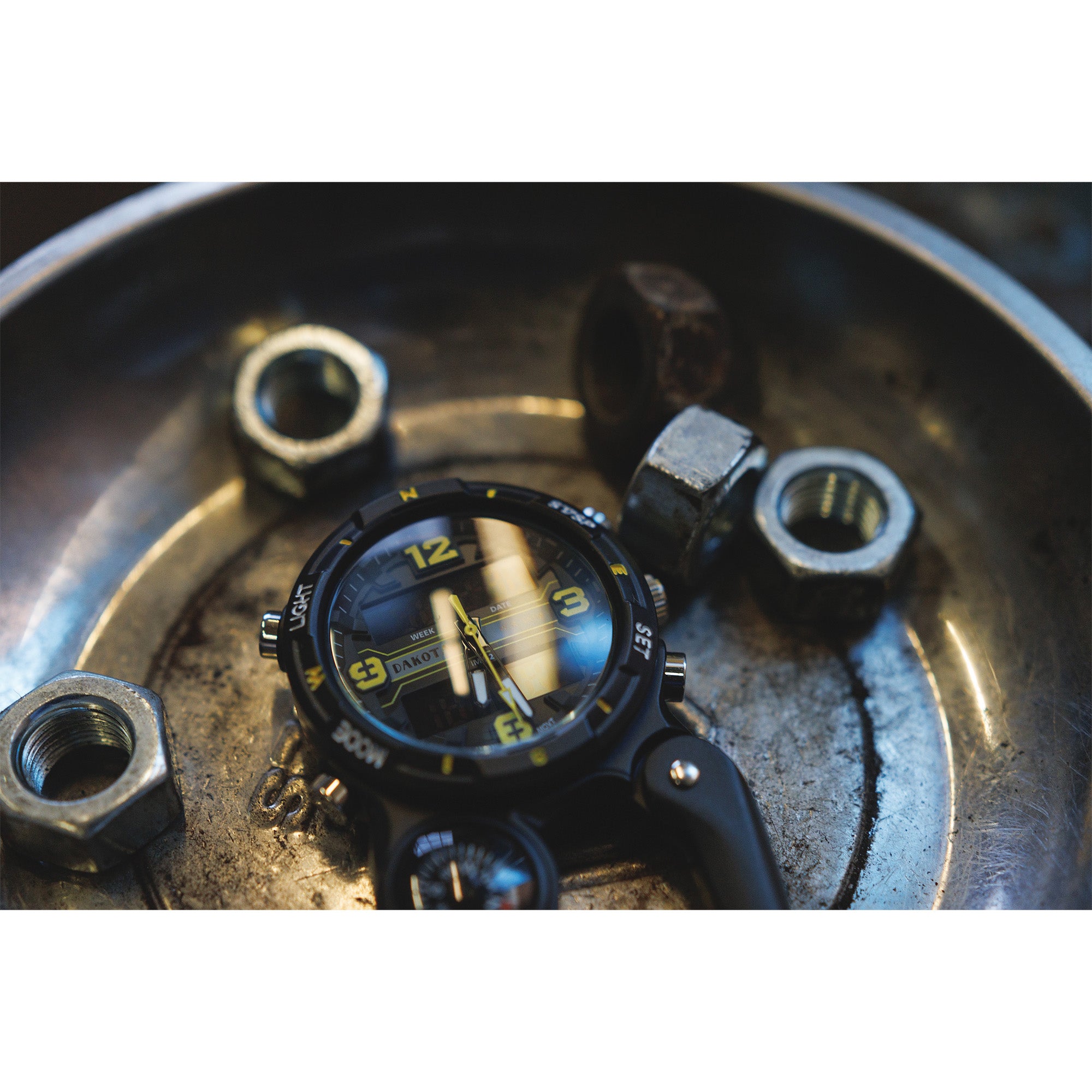
Ana-Digi displays: Analog-digital (Ana-Digi) dials offer the best of both worlds—intuitive time-reading plus digital functions like a countdown timer or dual time zones for multi-day expeditions.
-
Strap material: Silicone or rubber straps resist water absorption and won't chafe when wet.
-
Shock resistance: Class V rapids aren't gentle—your watch needs to withstand impact.
-
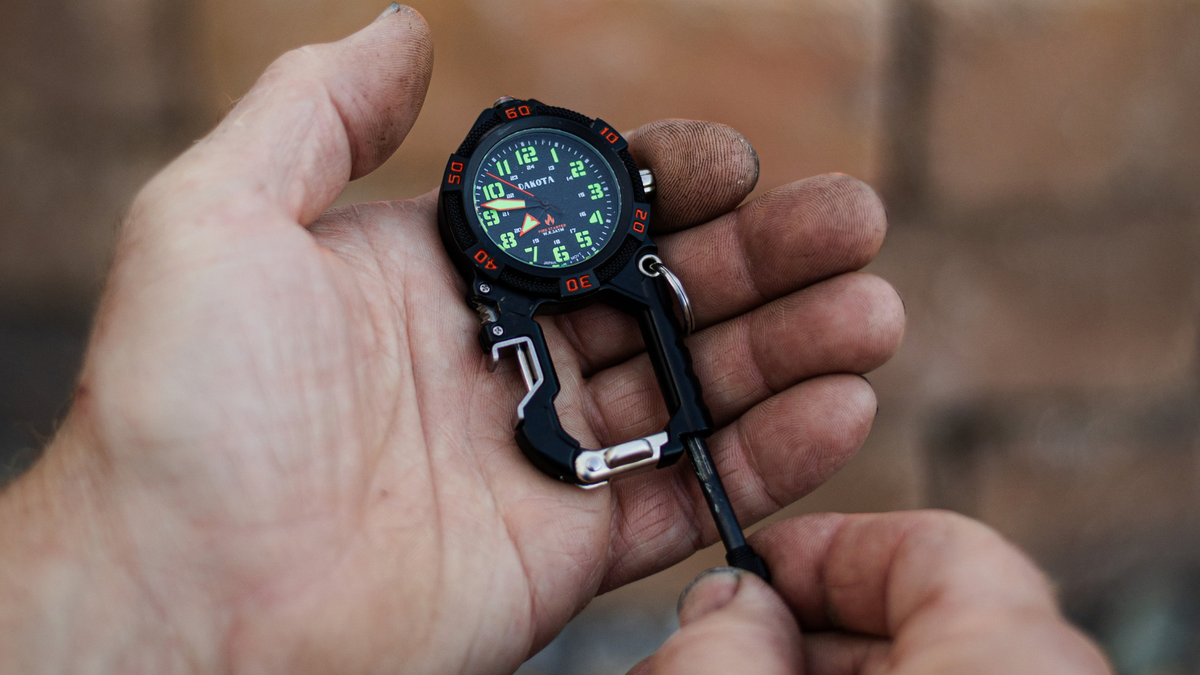
Introduce the Dakota watch for white water rafting as a purpose-built example, highlighting its key specs and suitability for river sports.
-
Briefly explore wristwatch alternatives for rafting (clip-on watches, waterproof watch pouches) for those who prefer not to wear a watch on the water.
-
Include a comparison table of top water-resistant watches for heavy rapids across different budgets.
Section 5: Anti-Flood and Waterproof Tech—Beyond the Watch
-
Discuss waterproofing solutions for other tech: GPS devices, cameras, and two-way radios used during guided rafting tours.
-
Introduce the concept of an anti-flood watch for outdoor adventure and how similar anti-flood design principles apply to all river-sport tech.
-
Cover waterproof camera mounts and GoPro attachment strategies that keep devices secure without adding drag or risk.
-
Mention waterproof pouches for hearing aids and medical devices—an often-overlooked consideration.
Section 6: Your Pre-Trip Valuables Checklist
-
Provide a comprehensive, actionable white water rafting accessories checklist focused specifically on valuables and gear security.
Organize it into three categories:
-
Wear on your body: Waterproof watch, wetsuit with secure pockets, waterproof sunscreen.
-
Tether to the raft: Dry bag with carabiner, waterproof camera mount, first aid kit.
-
Leave on shore (or in a locked vehicle): Passport, excess cash, jewelry, non-waterproof electronics.
-
Add a tip about using a combination lock dry bag or a small waterproof safe in your vehicle for shore-side storage.
Conclusion: Hit the Rapids Ready for Anything
-
Recap the key takeaways: the right dry bag setup, waterproof and quick-read watch, clip-and-tether systems, and a well-thought-out pre-trip checklist are the foundations of a stress-free rafting experience.
-
Reinforce that securing gear in class V rapids is not just about protecting valuables—it's about staying focused on safety and enjoying the ride.
-
Encourage readers to download or bookmark the accessories checklist before their next trip.
-
Close with a call to action: Explore our full range of waterproof clip watches for river sports and rafting accessories to gear up for your next adventure. [Link to product/resource page]
SEO Suggestions
-
Title: Include "white water rafting" and "valuables" near the front of the title. Keep it under 70 characters.
-
Introduction: Use "white water rafting gear essentials" and "how to secure valuables while rafting" within the first 150 words to signal relevance to both readers and search engines.
-
Headings: Naturally incorporate high-priority keywords like "best waterproof watch for rafting," "class V rapids safety gear," and "rafting dry bag organization tips" in at least one H2 or H3 heading.
-
Body: Distribute long-tail keywords like "waterproof clip watch for river sports," "quick-read watch dial for water sports," and "dry bag watch attachment for kayaking" throughout the body at a density of 1–2%.
-
Dakota Watch: Use "Dakota watch for white water rafting" in Section 4 to target branded search queries with high purchase intent.
-
Image Alt Text: Label all images with descriptive, keyword-rich alt text (e.g., "best waterproof watch for rafting on class V rapids").
-
Meta Description: Include "white water rafting gear essentials" and "how to secure valuables while rafting" in the meta description (aim for 150–160 characters).
-
URL Slug: Use a clean, keyword-focused slug such as /how-to-secure-valuables-white-water-rafting.
-
FAQ Section (Optional): Consider adding a short FAQ section at the end using long-tail queries like "what is the best watch for kayaking and rafting?" and "how do I organize a dry bag for white water rafting?" to capture featured snippet opportunities.Title
Gear Up: How to Secure Your Valuables in White Water Rapids
Introduction
-
Open with a vivid scenario: You've just conquered a class V rapid, adrenaline-pumping—then you realize your watch, phone, or wallet is gone. Hook the reader with the real cost of being unprepared on the water.
-
Establish why securing valuables is one of the most overlooked aspects of white water rafting prep, even among experienced paddlers.
-
Briefly touch on how the right white water rafting gear essentials—from dry bags to waterproof watches—can make or break your experience on the river.
-
Outline what readers will learn: how to protect their gear from water and theft, how to choose the best watch for kayaking and rafting, and how to organize their kit before hitting the rapids.
Body Sections
Section 1: The Hidden Risks of White Water Rafting (Beyond the Rapids)
-
Discuss the physical hazards of class V rapids that most people prepare for—and the gear risks they don't.
-
Explain what happens to unprotected valuables in turbulent water: hydrostatic pressure, sudden submersion, capsizing.
-
Introduce the concept of a white water rafting accessories checklist as a foundational tool for every paddler.
-
Suggest including a table or graphic showing common valuables and their vulnerability ratings on the water.
Section 2: Choosing the Right Dry Bag—and Organizing It Smartly
-
Explain what dry bags are, how they work, and why not all dry bags are created equal.
-
Cover key specs to look for: IP ratings, roll-top seals, material thickness, and attachment points.
-
Provide practical rafting dry bag organization tips: categorize contents by priority (emergency items, valuables, snacks), use internal pouches, and color-code bags for quick access.
-
Discuss dry bag watch attachment for kayaking as a viable option for keeping timekeeping devices accessible without wearing them.
-
Recommend 2–3 well-reviewed dry bag options at different price points.
-
Include a visual or checklist of how to pack a dry bag efficiently for a full-day rafting trip.
Section 3: Securing Small Valuables—Clips, Cases, and Anti-Theft Strategies
-
Draw a parallel to urban travel: just as travelers use secure bag clips and anti-theft pouches in busy cities, rafters need similar solutions on the water.
-
Introduce waterproof clip systems and carabiner attachments that keep small valuables tethered to your raft or body.
-
Cover waterproof phone cases, card holders, and coin pouches rated for heavy water exposure.
-
Discuss class V rapids safety gear standards and how securing valuables fits into your broader safety plan.
-
Tip: highlight the value of leaving non-essential valuables behind entirely—what you don't bring, you can't lose.
Section 4: The Best Waterproof Watch for Rafting—What to Look For
-
Explain why a reliable, readable watch matters on the river: tracking trip duration, coordinating with guides, and monitoring daylight.
Break down the key features of the best waterproof watch for rafting:
-
Water resistance rating: Look for a minimum of 100m (10 ATM) for heavy rapids; ideally 200m+.
-
Quick-read dial: A quick-read watch dial for water sports is critical when your hands are occupied and visibility is low.
-
Ana-Digi displays: Analog-digital (Ana-Digi) dials offer the best of both worlds—intuitive time-reading plus digital functions like a countdown timer or dual time zones for multi-day expeditions.
-
Strap material: Silicone or rubber straps resist water absorption and won't chafe when wet.
-
Shock resistance: Class V rapids aren't gentle—your watch needs to withstand impact.
-
Introduce the Dakota watch for white water rafting as a purpose-built example, highlighting its key specs and suitability for river sports.
-
Briefly explore wristwatch alternatives for rafting (clip-on watches, waterproof watch pouches) for those who prefer not to wear a watch on the water.
-
Include a comparison table of top water-resistant watches for heavy rapids across different budgets.
Section 5: Anti-Flood and Waterproof Tech—Beyond the Watch
-
Discuss waterproofing solutions for other tech: GPS devices, cameras, and two-way radios used during guided rafting tours.
-
Introduce the concept of an anti-flood watch for outdoor adventure and how similar anti-flood design principles apply to all river-sport tech.
-
Cover waterproof camera mounts and GoPro attachment strategies that keep devices secure without adding drag or risk.
-
Mention waterproof pouches for hearing aids and medical devices—an often-overlooked consideration.
Section 6: Your Pre-Trip Valuables Checklist
-
Provide a comprehensive, actionable white water rafting accessories checklist focused specifically on valuables and gear security.
Organize it into three categories:
-
Wear on your body: Waterproof watch, wetsuit with secure pockets, waterproof sunscreen.
-
Tether to the raft: Dry bag with carabiner, waterproof camera mount, first aid kit.
-
Leave on shore (or in a locked vehicle): Passport, excess cash, jewelry, non-waterproof electronics.
-
Add a tip about using a combination lock dry bag or a small waterproof safe in your vehicle for shore-side storage.
Conclusion: Hit the Rapids Ready for Anything
-
Recap the key takeaways: the right dry bag setup, waterproof and quick-read watch, clip-and-tether systems, and a well-thought-out pre-trip checklist are the foundations of a stress-free rafting experience.
-
Reinforce that securing gear in class V rapids is not just about protecting valuables—it's about staying focused on safety and enjoying the ride.
-
Encourage readers to download or bookmark the accessories checklist before their next trip.
-
Close with a call to action: Explore our full range of waterproof clip watches for river sports and rafting accessories to gear up for your next adventure. [Link to product/resource page