
Successful fly fishing depends on matching your fly to active insect hatches, which follow predictable patterns tied to water temperature, time of day, and season. Pair hatch knowledge with the right streamside gear—wader-compatible clips, line nippers, and multi-tools—to maximize every minute on the river.
There's a particular kind of frustration that every fly angler knows. The river looks perfect. Your cast is clean. But the fish aren't rising. More often than not, the problem isn't your technique—it's your timing.
Fly fishing rewards those who understand the natural world, not just those who can cast well. Trout feed selectively, and during a hatch, they lock onto one specific insect at one specific stage of its life cycle. Miss that window, and even a flawless presentation will be ignored. Nail it, and fish that seemed impossible to catch suddenly become willing.
This guide breaks down the science and strategy behind matching the hatch—covering which insects hatch when, how water temperature influences emergence, and why having the right gear clipped to your waders could be the difference between a productive session and a frustrating one.
Section 1: How to Match the Hatch in Fly Fishing
What does "matching the hatch" actually mean?
Matching the hatch means selecting a fly pattern that closely imitates the insect trout are actively feeding on at a given moment. During a hatch, aquatic insects—mayflies, caddisflies, stoneflies, and midges—transition from their underwater nymph stage to winged adults on the surface. This transition triggers aggressive surface feeding, but only if your fly looks like what's actually hatching.
Trout are remarkably discerning. Research into salmonid feeding behavior shows they can distinguish between insects of similar size and coloring, particularly in clear, slow-moving water. Carrying a fly fishing insect hatch chart and cross-referencing it with real-time conditions on the river is one of the most effective habits a serious angler can develop.
What time of day do mayfly hatches occur?
Hatch timing varies by species, but most follow predictable daily patterns driven by light intensity and water temperature. Here's a general fly fishing insect hatch chart to guide your planning:
Mayflies (Ephemeroptera)
-
Blue-Winged Olive (BWO): Hatches during overcast midday conditions, typically 10 a.m.–2 p.m. in spring and fall. Cold, cloudy days often produce the most prolific BWO hatches.
-
Pale Morning Dun (PMD): Emerges in late morning to early afternoon, peaking between 9 a.m. and 1 p.m. during summer months.
-
Trico: One of the most reliable summer hatches, Tricos emerge at dawn and spinner falls occur between 7–10 a.m. on calm, warm mornings.
-
Callibaetis: Common on stillwater and slow rivers, hatching mid-morning through early afternoon.
Caddisflies (Trichoptera)
-
Most caddis species hatch in the evening, with activity peaking in the hour before and after sunset. The Elk Hair Caddis remains one of the most productive patterns for this window.
Stoneflies (Plecoptera)
-
Large stoneflies, like the Salmonfly, hatch during the day in late spring and early summer. Smaller Yellow Sallies emerge in mid-afternoon during summer.
Midges (Chironomidae)
-
Midges hatch year-round and are critical for winter fly fishing. They typically emerge mid-morning in cold months and can trigger feeding throughout the day.
How does water temperature affect hatch timing?
Water temperature is arguably the most reliable predictor of hatch activity. Most aquatic insects begin to emerge when water temperatures reach specific thresholds:
-
45–50°F: BWOs and midges become active
-
52–58°F: PMDs, Caddis, and smaller stoneflies begin hatching
-
60°F+: Tricos, Callibaetis, and terrestrial activity increase
A thermometer in your vest isn't optional—it's essential. Checking water temperature when you arrive helps you predict what's likely to hatch and when, long before the fish start rising.
How do you read rising fish to identify the hatch?
Watch the rise form. Subtle, sipping rises typically indicate small insects—midges or Trico spinners in a flat film. Splashy, aggressive rises suggest larger emerging insects or caddisflies skating on the surface. If you see fish feeding subsurface with a subtle bulge, they're likely taking emergers just below the surface film, not dry flies.
When in doubt, use a seine net to catch drifting insects and match your fly to what you're finding in the water.
Section 2: Water-Resistant Clips for Waders—Why the Right Watch Matters Streamside
Knowing when a hatch typically occurs is only useful if you can track time accurately while you're standing mid-river. Many anglers rely on their phones—an impractical solution when your hands are wet, your line needs attention, and your phone is buried under three layers.
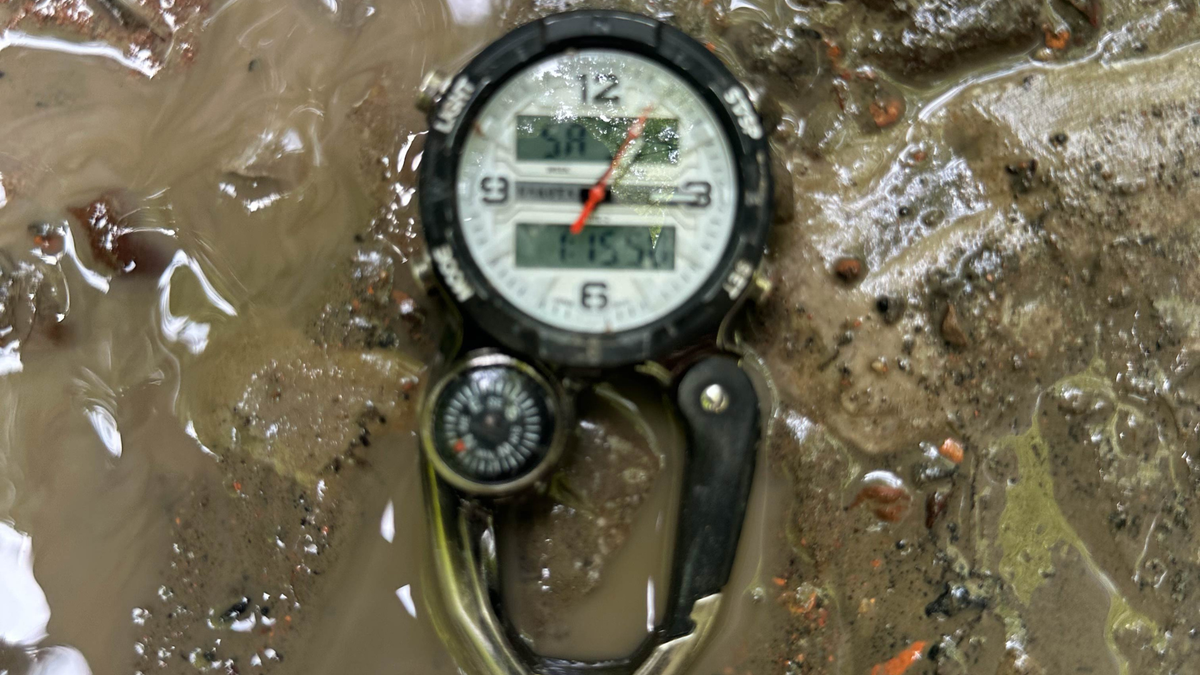
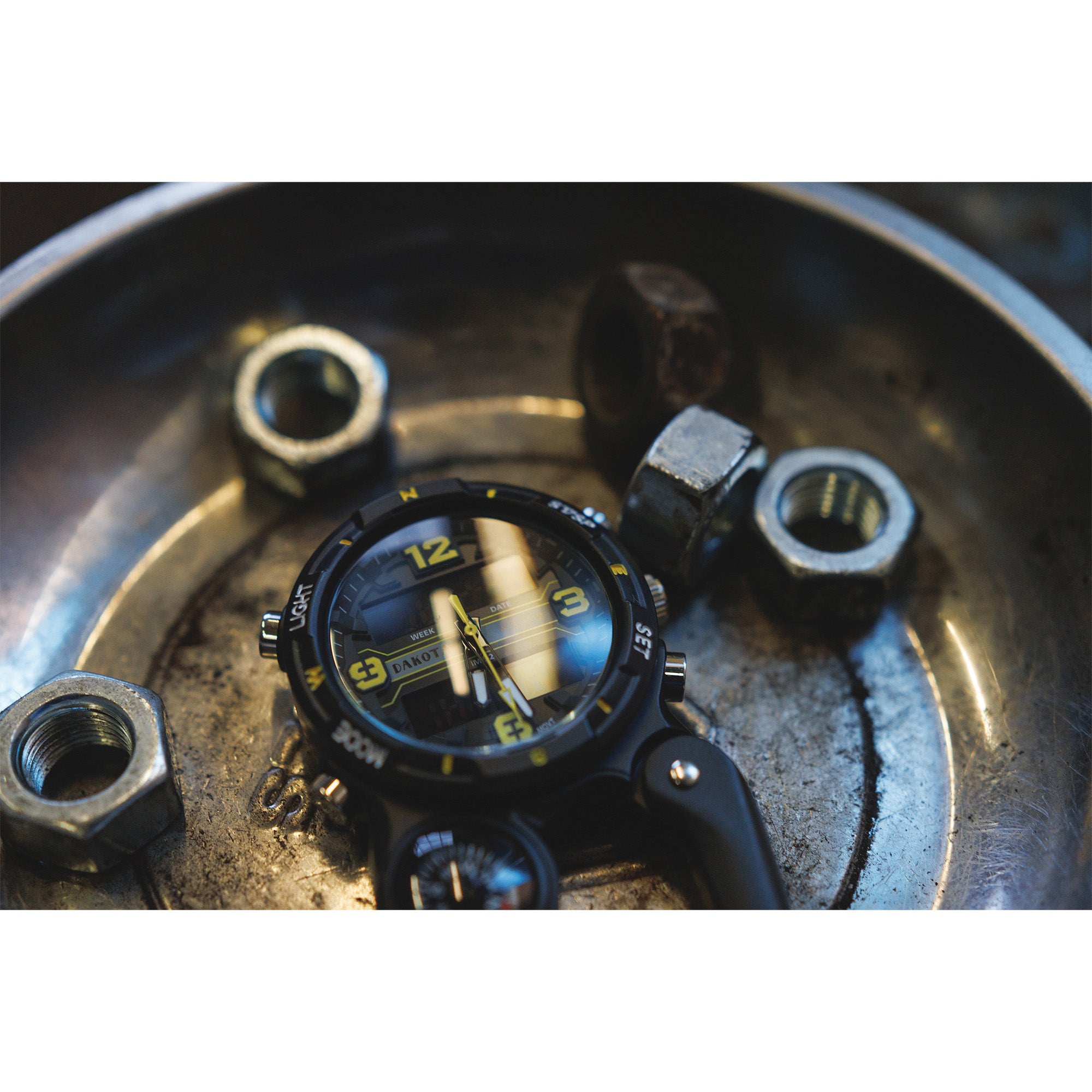
A water-resistant clip watch for wader fishing solves this cleanly. Designed to clip directly onto wader straps, vest D-rings, or pack loops, these watches keep time visible without requiring you to dig through pockets or risk dropping a phone into the current.
What should you look for in a clip watch for wader fishing?
Water resistance is the baseline requirement. Look for a minimum of 3 ATM (30 meters) of water resistance for splashing and rain exposure—more if you plan to wade deep or fish in rain-heavy environments. The Dakota Watch water-resistant outdoor clip watches are a widely cited option among wading anglers, offering reliable readability and durable construction suited to the demands of riverside use.
Beyond water resistance, consider:
-
Clip mechanism: A rotating or fixed clip that attaches firmly to wader webbing without snagging the fly line
-
Dial readability: Large, high-contrast numerals you can read at a glance in low morning light
-
Weight: Lightweight construction that won't throw off your wader balance or snag on streamside vegetation
-
Durability: Shock-resistant casing for the inevitable bumps against streamside rocks
Tracking time on the river isn't just about convenience—it's about strategy. Knowing that a PMD hatch typically peaks between 10 a.m. and noon means you can plan your positioning upstream of a known feeding lane well before the activity begins. A wader-compatible fishing watch turns that knowledge into action.
Section 3: Integrated Line Nippers and Streamside Multi-Tools
Even when the hatch timing is perfect, and your watch confirms you're right on schedule, you still need to change flies quickly and cleanly. Cold fingers, quick-moving water, and the pressure of an active hatch are not ideal conditions for fumbling with gear.
This is where fly fishing tools for anglers—specifically integrated multi-tools—pay for themselves many times over.
What is a line nipper for fly fishing, and why do you need one?
A line nipper for fly fishing is a small cutting tool designed specifically to trim tippet and monofilament cleanly and precisely. Unlike scissors or pocket knives, quality nippers cut fluorocarbon and nylon without fraying—critical when a clean tippet end means the difference between a secure knot and one that slips under tension.
The best nippers are:
-
Sharp enough for fluorocarbon: Many cheap nippers crush rather than cut.
-
Attached via retractor: A zinger or retractable cord keeps your nipper accessible without fumbling
-
Compact enough to palm: So you can cut, tie, and cast in quick succession
What are the best streamside multi-tool accessories for fly fishing?
A streamside multi-tool for fly fishing consolidates several functions into one clippable unit. Depending on the model, these tools can include:
-
Line nippers
-
Hook eye cleaners (a needle or pin to clear head cement from small flies)
-
Hemostats or forceps for removing hooks from fish
-
Hook hones for sharpening dulled points
-
Split ring pliers for connecting hardware
Multi-tool fly fishing accessories that attach directly to a wader D-ring or vest loop keep everything within arm's reach. During an active hatch when fish are rising all around you, the ability to change a fly in under 60 seconds—without removing your pack or kneeling to dig through a bag—is genuinely valuable.
How should you organize your streamside fly fishing gear?
The most efficient setup keeps high-frequency items on the outside of your body and easily accessible with one hand. A practical layout:
-
Clip watch: Attached to the left shoulder strap, visible without raising your arm
-
Multi-tool with line nipper: Zinger-clipped to right chest D-ring
-
Forceps: Magnetic release on the left chest
-
Fly box: Vest chest pocket, divided by hatch stage (nymph, emerger, dry)
This arrangement lets you work through a fly change—open box, select fly, clip tippet, tie knot, confirm with forceps—without ever taking eyes off rising fish for more than a few seconds.
Maximize Your Time on the River with Specialized Gear
Fly fishing hatch timing is both science and intuition. Understanding which insects hatch at which temperatures and times of day puts you on the water at the right moment. A water-resistant clip watch keeps you synchronized with those windows without interrupting your focus. And a reliable set of line nippers and multi-tools means you can act on that knowledge fast enough to matter.
The anglers who consistently catch fish during hatches aren't necessarily the most skilled casters. They're the ones who prepared—who knew the Trico spinner fall would arrive at 8:15 a.m. on a calm summer morning, who had a CDC Trico tied and ready, and who could swap flies in 45 seconds without breaking a sweat.
That level of readiness starts before you ever step into the water.
Frequently Asked Questions
What is the best time of day to fly fish during a hatch?
Hatch timing varies by species. Mayflies like Blue-Winged Olives typically hatch during cloudy midday conditions, while caddisflies are most active at dusk. Trico hatches peak in the early morning, often between 7–10 a.m. in summer. Checking water temperature on arrival helps predict which hatch is most likely.
How do I know which fly to use during a hatch?
Observe the rise form, use a seine net to collect drifting insects, and match your fly to the size, color, and life stage of what you see. Carrying a fly fishing insect hatch chart specific to your region helps narrow down options quickly.
What makes a good clip watch for wader fishing?
Look for a minimum of 3 ATM water resistance, a secure clip that attaches to wader webbing, high-contrast numerals for low-light readability, and a lightweight construction. The Dakota Watch water-resistant outdoor range is a commonly recommended option among wading anglers.
Why do fly anglers use line nippers instead of scissors?
Line nippers cut fluorocarbon and monofilament cleanly without fraying the material, which is critical for tying secure knots. Scissors can crush fine tippet material. A quality nipper attached via a retractor keeps it accessible during a fast-moving hatch.
What gear should be clipped to waders for efficient fly fishing?
At minimum: a water-resistant clip watch, a zinger-mounted line nipper, forceps for unhooking fish, and a fly fishing multi-tool. Keeping these clipped to your wader straps and vest D-rings means faster fly changes and less time fumbling during active feeding windows.